


Celebrating a Life Well Tuned 1937 to 2026
With heavy hearts, we announce the sudden passing of the Ski Wax Iron. For close to a hundred years, the Ski Wax Iron kept skiers running smoothly over snow surfaces all over the world. Its warmth and fumes will be missed by all who tuned.
Ancient skiers in Scandinavia used natural materials like animal fats and resins, which were rubbed onto wooden ski bases without heat. Then came paraffin, petroleum-based waxes in the early 1900s, adapted by ski racers to make their skis run faster.
Born in 1937, when skiers used candles and pine tar on the base of their skis, the Ski Wax Iron emerged as an effective way to achieve better wax penetration and ski durability. The Ski Wax Iron witnessed the transition from wooden skis to metal, fiberglass, and eventually high-tech composites. It supported the rise of snowboarding. It melted toxic fluoros and finally sustainable wax formulas when we remembered to preserve the mountains we love.
The Ski Wax Iron was a quiet, loyal companion. It was an important part of many sacred ski rituals: tuning nights with friends and beverages, pre-race polishing, and nailing the wax for a day on nordic skis. It served alpine ski racers, nordic skiing wax experts, weekend warriors prepping skis before long drives, and powder hounds who sought to float effortlessly.
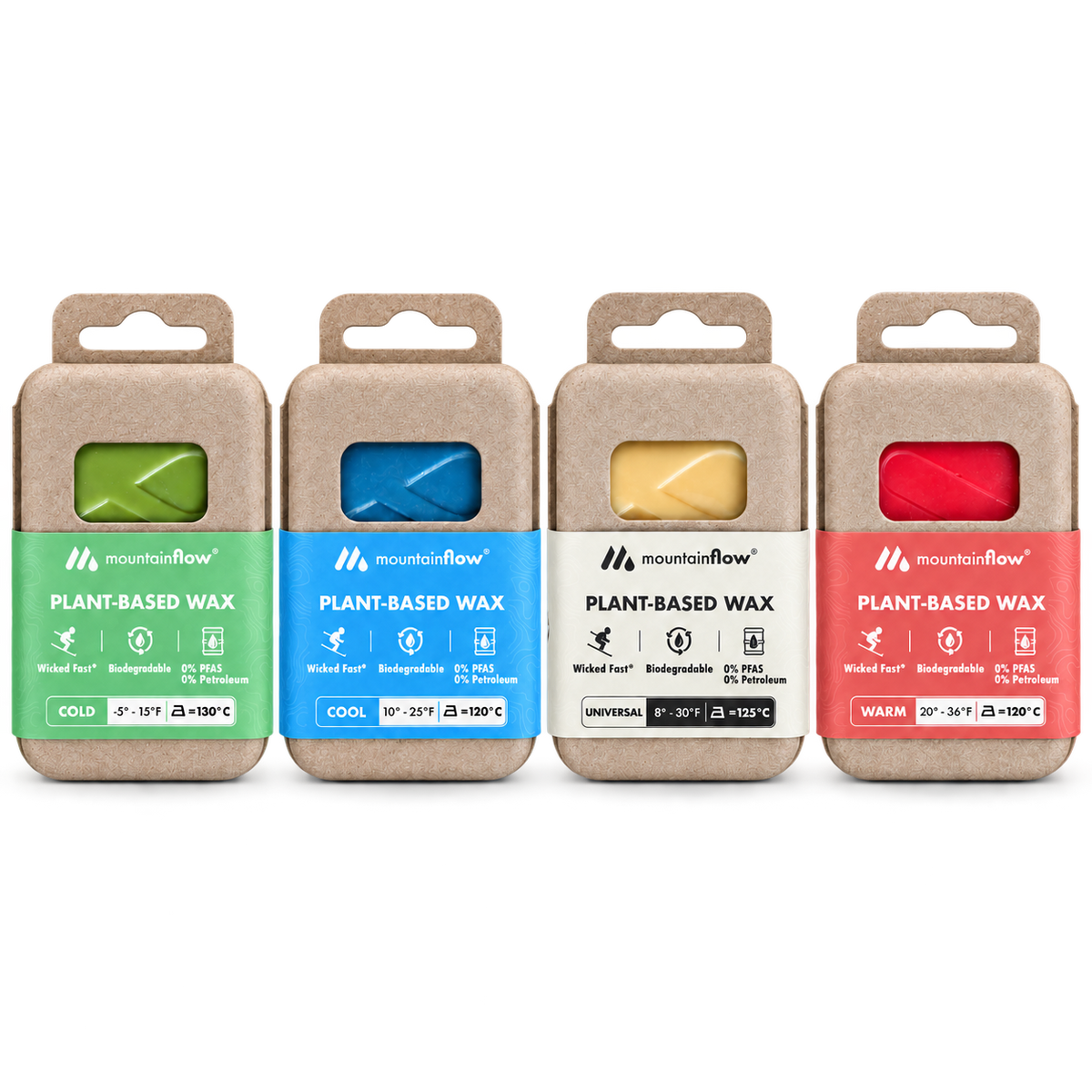
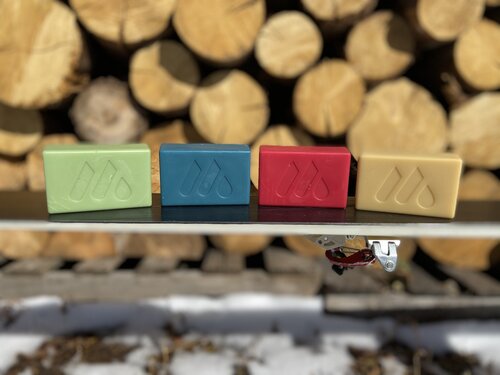
In its final years, when fluoros were banned, it was able to taste plant-based wax that didn’t hurt the environment and people’s lungs.
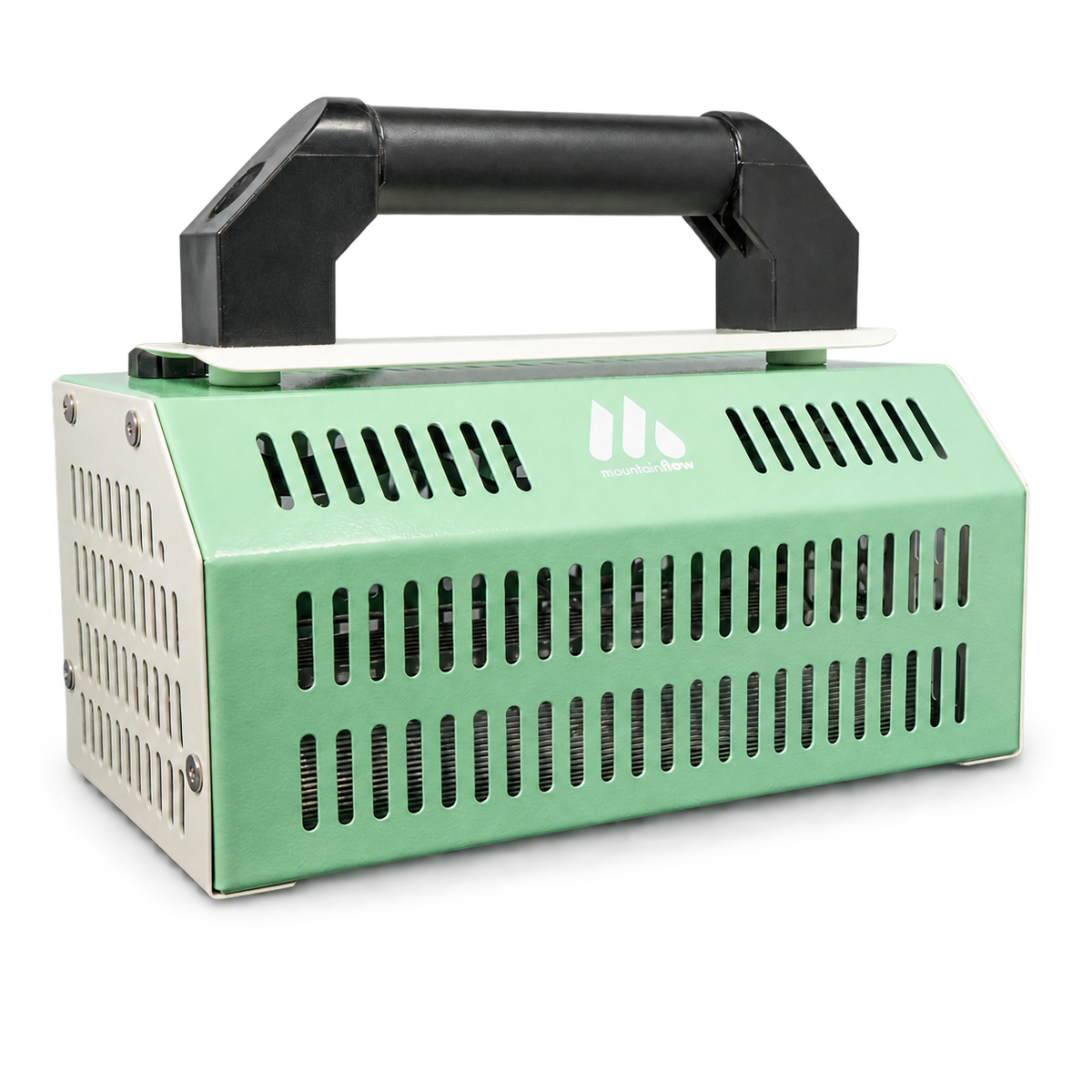
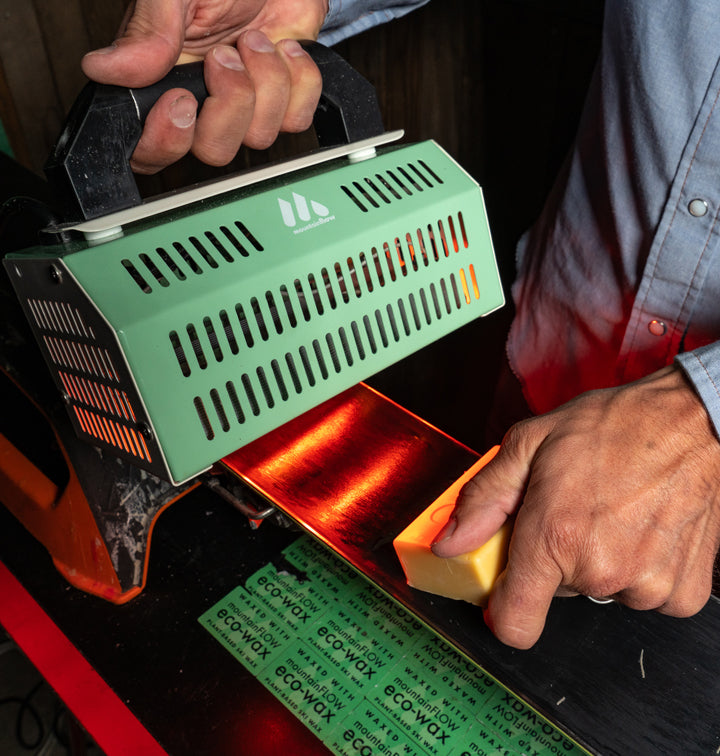
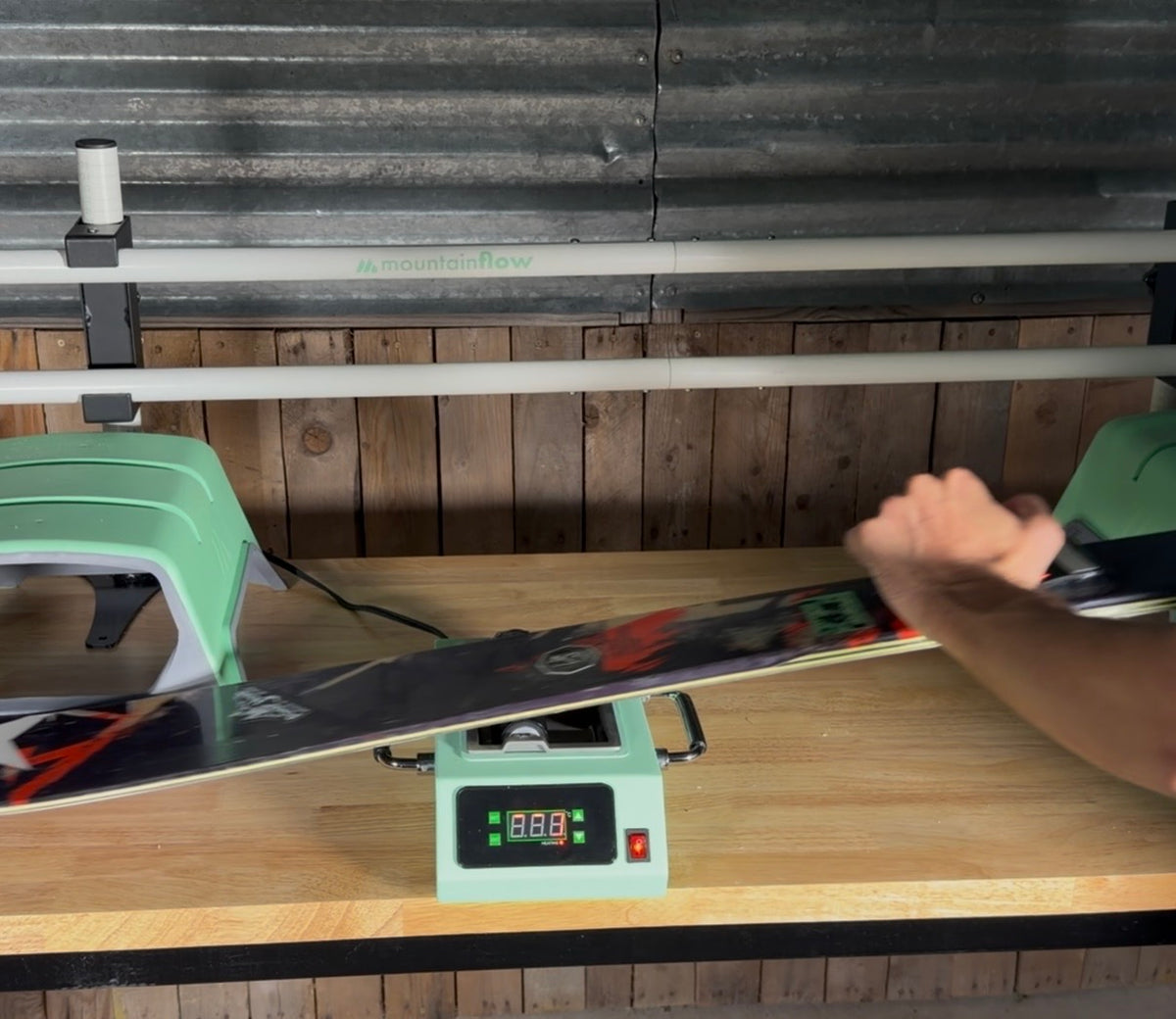
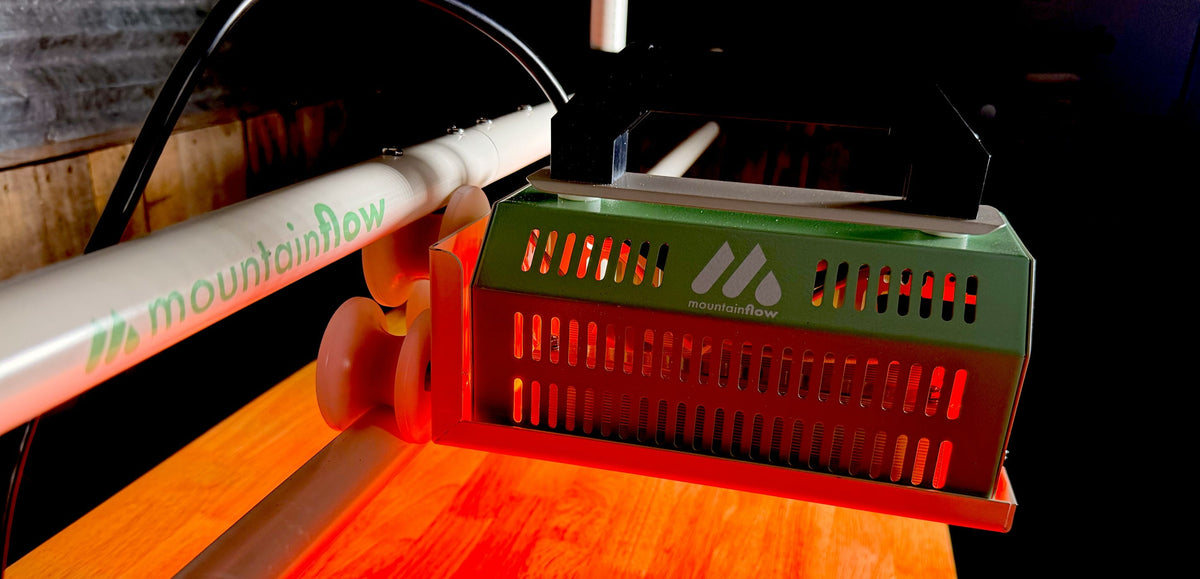
The Ski Wax Iron is survived by the Infrared Waxer. Services will be held in mountain towns across the world. In lieu of flowers, shred fresh tracks down the gnarly side of the mountain.

![SuperRoto Brush Set [300mm]](http://mountainflow.com/cdn/shop/files/SuperRoto_Kit_Transparent.png?v=1789478851&width=1122)
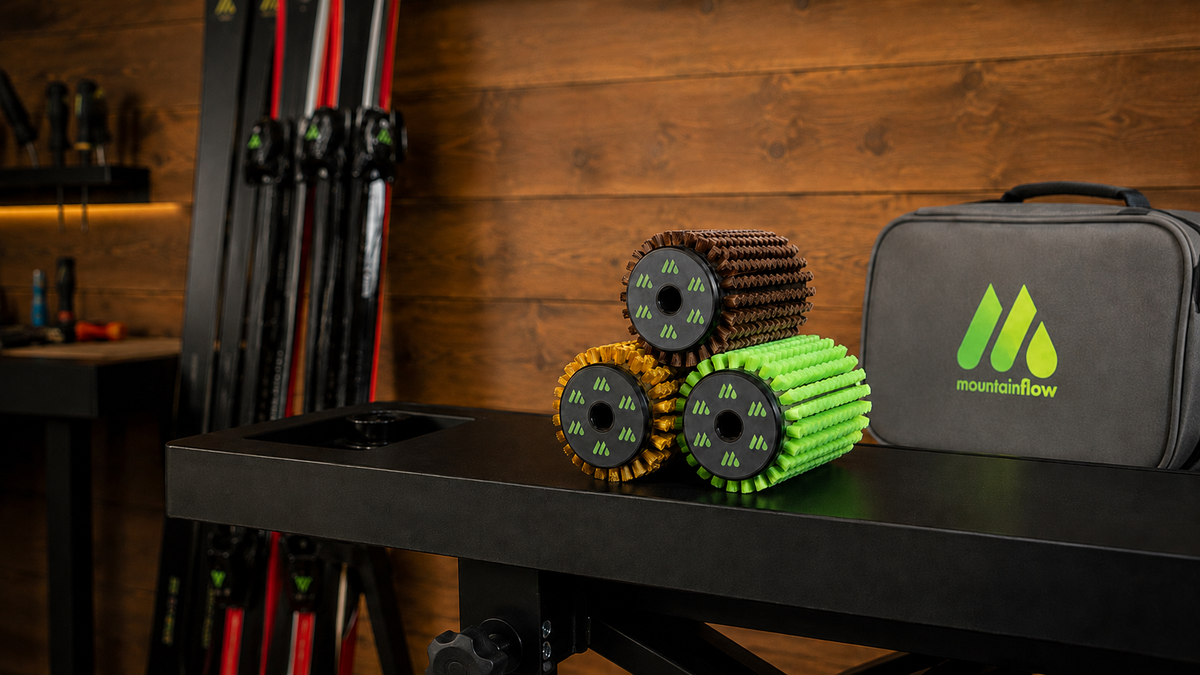
![SuperRoto Brush Set [300mm]](http://mountainflow.com/cdn/shop/files/SuperRoto_product_and_environment.png?v=1789595261&width=1254)
![SuperRoto Brush Set [300mm]](http://mountainflow.com/cdn/shop/files/SuperRoto_Brushes_Labeled.png?v=1787611002&width=1536)
![SuperRoto Brush Set [300mm]](http://mountainflow.com/cdn/shop/files/SuperRoto_Handle.png?v=1787611034&width=1254)
![Roto Brush Set [100mm]](http://mountainflow.com/cdn/shop/files/Roto-Brush-Set---Transparent---PS.png?v=1787671734&width=1440)
![Roto Brush Set [100mm]](http://mountainflow.com/cdn/shop/files/Roto-Brush---Product-_-Environment.jpg?v=1786570684&width=1440)
![Roto Brush Set [100mm]](http://mountainflow.com/cdn/shop/files/Roto-Brush-Set---PD---In-Use.jpg?v=1786569054&width=1440)
![Load video: Roto Brush Set [100mm]](http://mountainflow.com/cdn/shop/files/preview_images/e5d15291c452428398c323f59cb39dd6.thumbnail.0000000000.jpg?v=1768149453&width=1080)




Share:
WAX 101: The IR GUIDE
Mobile Bike Wash: Quick Start Guide